


Adjustable beds let you get a good night’s sleep and make the most of your bed when awake. With an adjustable bed, you can watch TV or work in comfort. Some adjustable bed positions are also great for a variety of health concerns. Because of their lifestyle and health benefits, adjustable bases are growing in popularity.
To get the most out of your adjustable bed, the base position needs to be right for you. There are also other features to consider so that your new base fits your needs. Let’s take a close look at the best adjustable bed positions!
Which Adjustable Bed Position Is Best?
| Condition | Best Position | Why it Helps |
| Acid Reflux | Elevated Head | Prevents stomach acid rising |
| Back Pain | Zero Gravity | Reduces pressure on spine |
| Snoring | Anti-Snore | Opens airways |
| Swollen Legs | Elevated Legs | Improves circulation |
What Is an Adjustable Bed Position?
Each of the best adjustable bed base positions works well for different sleepers. Your individual health concerns and lifestyle will determine which position you should use the most. I’ll get into more detail about each position an adjustable bed frame offers in the next section of this article.
Beyond the standard or most popular positions offered by adjustable beds, all adjustable bases offer manual foot and head elevation to your precise needs. Moreover, most adjustable bases include preset positions on their remote for you to choose from. However, you can often recustomize each position to your body’s exact needs.
The Best Adjustable Bed Positions
Flat Position
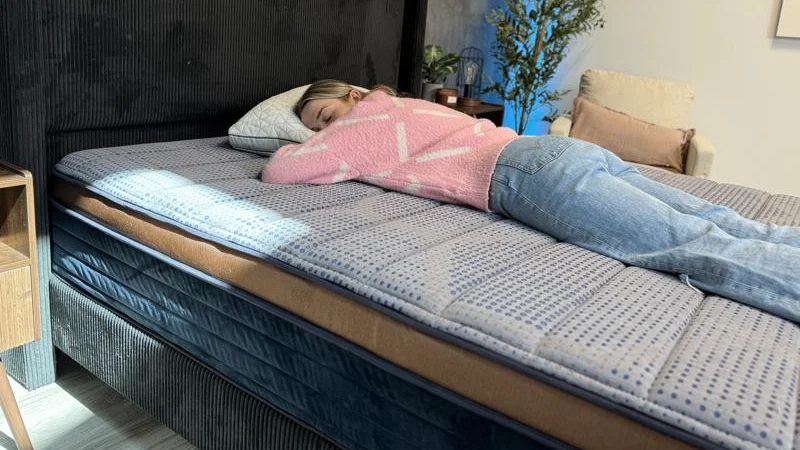
The flat position on an adjustable base is simply returning the mattress to its natural horizontal state. This button often appears on adjustable base remotes to quickly bring your bed back to its original flat position.
Head Elevated
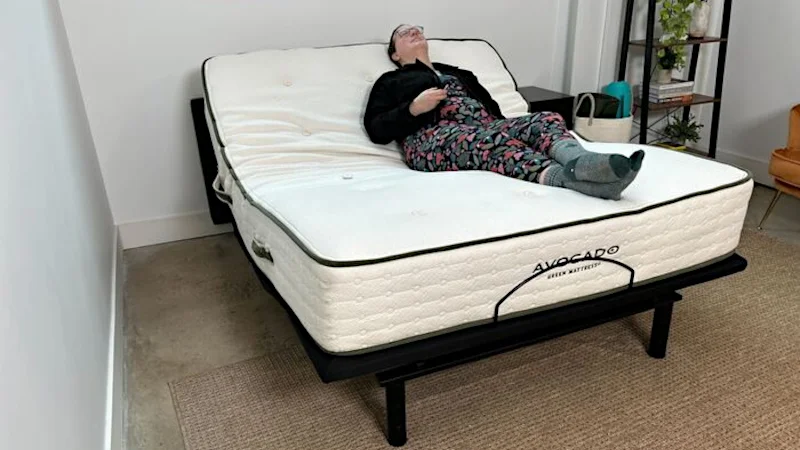
The head-raised position is perfect for sleepers who snore. Those who suffer from sleep apnea or have acid reflux should also try this position.
Snoring: If you snore, you know how much it can disrupt your sleep. If you need some relief, try propping your head up to take the pressure off your airways. For the maximum benefit, raise your shoulders and head 20 to 30 degrees.
Sleep Apnea: Keeping your head upright also helps with sleep apnea. Sleep apnea is a condition where breathing stops and starts throughout the night. Those with sleep apnea snore more loudly and may wake up feeling tired even if they sleep eight hours a night. By opening the airways, this base position provides a more restful night’s sleep.
Acid Reflux: Sleeping in a head-raised position also supports those with acid reflux. Acid reflux is a stomach condition where stomach acid irritates the stomach lining. The condition is often worse after eating or when lying down. By raising your head, you can ease acid reflux pain and get more rest.
Feet Raised Position
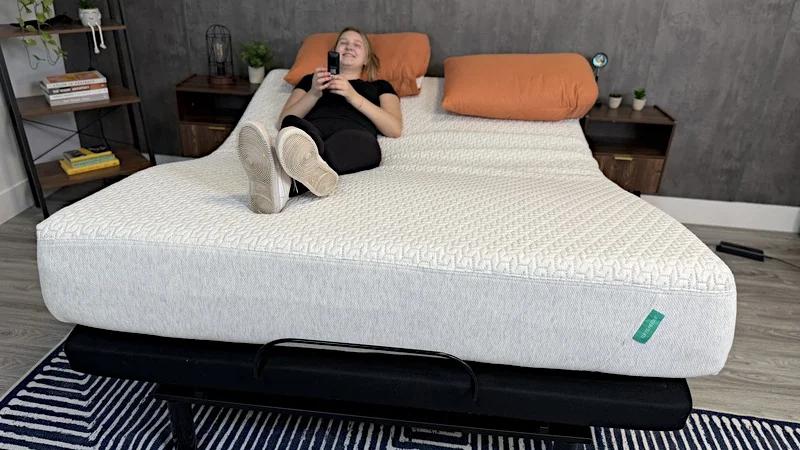
The feet-raised position relieves aches and pains in the lower back and legs. Those with sciatica and leg swelling will find this position helpful.
Sciatica: Lying down can increase pressure on the joints in the back of the spine. This can be harmful for those who suffer from sciatica or other lower back pain. The feet-raised position decreases that pressure for a better night’s sleep.
Leg Swelling: Whether from chronic conditions or recent injuries, lying flat irritates swollen legs. By raising your feet above your heart, gravity helps move fluid from your legs to your heart, reducing swelling.
Head and Feet Elevated
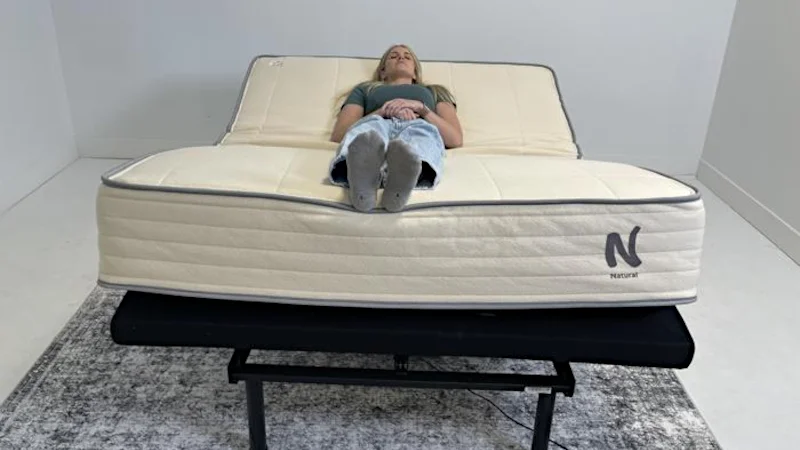
The head-and-feet-raised position relieves pain in the muscles and joints. It also opens airways, making it easier to breathe. Those with mobility issues, asthma, or COPD (Chronic Obstructive Pulmonary Disease) should use this position.
Mobility Issues: Muscle weakness, joint pain, and nervous system difficulties typically affect older adults, but younger adults can experience them as well. Underlying health issues, such as diabetes or arthritis, can cause mobility problems at any age. The head and feet raised position cradles the body, relieving aches from joint pain, restless leg syndrome, and other mobility issues.
RELATED: Best Mattresses for Seniors
Asthma: Because it can make breathing difficult at night, asthma often disrupts healthy sleep habits. COPD, a group of chronic lung conditions that worsen over time, impacts quality of sleep in a similar way. Lying down often irritates these lung conditions. Sleeping in a recliner with head and feet elevated makes breathing easier, but recliners cause muscle aches throughout the body. The head-and-feet-raised position can help you get back into your own bed without worsening any lung conditions.
Zero Gravity Position
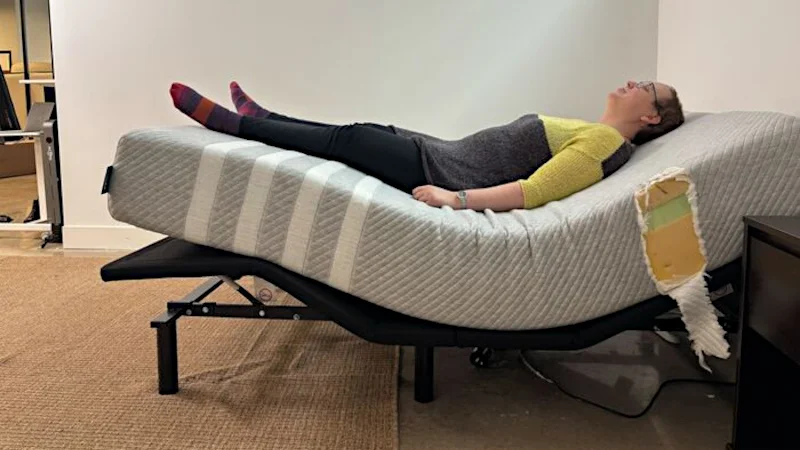
NASA invented the zero-gravity position to reduce pressure on astronauts during takeoff. In this position, both the head and knees are raised above the heart, making the body feel weightless.
Arthritis: A zero-gravity preset eliminates stress on the joints caused by arthritis. According to the Arthritis Foundation, over 80% of people with arthritis have trouble sleeping. The zero-gravity position helps relieve pain, which can improve sleep over time.
Pregnancy: Physical and hormonal changes during pregnancy can cause back pain, circulation problems, and swelling. Pregnant people can use the zero-gravity position to reduce swelling and back pain and improve blood circulation. This position also makes back sleeping safer for the parent and baby.
Digestion: Zero gravity also improves digestion. Food passes more easily through the esophagus and stomach when your head is upright. This position also limits gravity’s pull on the stomach, preventing other harmful digestive issues, such as acid reflux and heartburn.
Best Adjustable Bed Position by Health Condition
- Back Pain: Feet raised position or zero gravity position
- Neck Pain: Slightly elevated head position (be mindful of maintaining healthy cervical alignment)
- Sciatica: Feet raised position or zero gravity position
- Arthritis: Head and feet raised position or zero gravity position
- Snoring: Head elevated position
- Pregnancy: Zero gravity position or flat position (to sleep on your left side)
- Acid Reflux: Head elevated position
- GERD (Gastroesophageal Reflux Disease): Head elevated position
- Sleep Apnea: Head elevated position
- Poor Circulation: Feet raised position (above heart level) or zero gravity position
- Swollen Legs: Feet raised position (above heart level)
- Recovery After Surgery: All positions may be beneficial, but this will depend on the type of surgery you had.
Best Adjustable Bed Position by Sleep Style

Side Sleepers
Side sleeping can be helpful for those with back pain, hip pain, sleep apnea, or acid reflux. With an adjustable bed, side sleepers can get even better rest. Side sleepers can cautiously use the head-and-feet-raised position to keep their spine in better alignment.

Back Sleepers
Back sleepers can sleep in any base position. If you’re using an adjustable bed to relieve back pain, use the head and feet raised or the zero gravity position.

Why Stomach Sleepers Should Be Careful
Adjustable beds work well for side and back sleepers, but not for stomach sleepers. You should avoid some adjustable base positions if you sleep on your side as well.
How to Find Your Ideal Adjustable Bed Position
When you first set up your adjustable base, experiment with the preset options on the remote (zero gravity, TV, etc.). From there, start experimenting with adjusting to experience better pressure relief, find your sweet spot for watching TV, and align the positions offered so they adjust to you without compromising spinal alignment.
There will likely always be instructions included with your new adjustable base. But typically, you can reset preset position options by setting the bed to where you’d like it to go, then holding the position button to reset it to that position.
Learning the exact spot you’d like for each button may take some time, but the good thing about adjustable bases is that they can be adjusted at any time.
Adjustable Bed Presets Explained
- Zero Gravity: Adjusts the mattress to the zero gravity position.
- Anti-Snore: Helps reduce snoring.
- Lounge: Adjusts you to resemble a reclining chair position.
- Flat: Returns the bed to its original horizontal shape.
- TV: Elevates the upper body for watching television.
Common Adjustable Bed Position Mistakes
Falling asleep on your side or stomach while in the zero-gravity position, or another position that misaligns the spine when not resting on your back, can result in serious inflammation and pain. Furthermore, having your neck, lower body, or upper body elevated in a way that temporarily relieves pressure points while compromising spinal alignment in the longer term is a common mistake when setting up your adjustable base position.
As I’ve stated throughout the article, most positions offered by your power base primarily offer a safe, neutral position that maintains a quality sleep posture for the night if you’re sleeping on your back. Combination sleepers, side sleepers, or stomach sleepers should all be self-aware of their spinal alignment and position on an adjustable base before dozing off, to ensure better-quality sleep and to wake up feeling more refreshed.
Choosing the Right Mattress for an Adjustable Bed
While many mattresses work with adjustable bed frames, not all do. A memory foam or latex mattress will work best. Since an adjustable frame lifts and lowers the head of the bed and the foot of the bed, firmer mattresses do not work well with it. A flexible mattress handles the wear and tear of moving up and down better.
Also, make sure to check out our best mattresses for adjustable bases.
Other Adjustable Bed Features Worth Considering
Sometimes, extra features make an adjustable bed even more customizable. Some feature USB ports for charging electronics. Others have bed lighting for reading at night and massage features. Some other features may include a wall-hugging design, under-bed lighting (great for getting up in the night without exposing yourself to too much harsh light), a split-king design (two adjustable bases in one), and Bluetooth control compatibility. It’s worth researching the extra features an adjustable base may include before choosing one, as they can really level up your experience.

Pros and Cons of Adjustable Beds
While an adjustable bed can improve sleep, it isn’t the right option for everyone. When deciding whether to buy one, keep these pros and cons in mind.
Frequently Asked Questions
What angle is best for sleeping on an adjustable bed?
The best angle depends on your sleeping patterns, body type, current pain or injuries, or personal sleep-related issues, such as snoring or sleep apnea. It’s always a great idea to experiment with the preset options included with your adjustable base when you first start using it and to customize and manually adjust them according to your needs.
Should your feet be elevated while sleeping?
Elevating your feet when you sleep has potential anti-inflammatory benefits for lower-body injuries and can expedite healing. Furthermore, elevating your feet while you sleep can help stimulate blood flow and reduce strain on your lower back.
However, this position is primarily meant for back sleepers or people experiencing acute injuries, as getting a full night’s sleep with your feet elevated on your side would be quite difficult.
Overall, there are benefits to sleeping with your feet elevated, but doing this every night is not necessary to achieve better sleep than simply sleeping on your bed while it’s horizontal.
Can you sleep in zero gravity every night?
You can absolutely sleep in the zero-gravity position every night. There are plenty of benefits to the position as described earlier in the article. However, it’s important to remember that your sleeping style will affect how well you experience the positions an adjustable base offers. It’s unlikely that any sleeper, other than full-time back sleepers, will be able to sleep in the zero gravity position every night.
Is zero gravity safe during pregnancy?
Yes, and it is a good solution for pregnant women who sleep on their backs. Studies suggest that sleeping flat on one’s back during pregnancy may reduce blood flow to the fetus. Therefore, sleeping in the zero-gravity position, if you’re a back sleeper, may help reduce the potential risks. Notably, the American Pregnancy Association actually recommends sleeping on your left side as the optimal position for pregnant women, but this would make the zero gravity position very difficult. This is why I would suggest taking advantage of this position’s benefits if you’re an active back sleeper.
Is sleeping with your head elevated bad?
Not at all! Sleeping with your head elevated can help reduce snoring and sleep apnea. However, it’s good to counter head elevation with leg elevation to help promote beneficial blood flow throughout the body while keeping you in a neutral spine-friendly position. Additionally, if you sleep on your side or stomach, it will be very difficult to sleep with your head elevated without straining your neck, shoulders, or cervical spine. Therefore, as with other adjustable base sleeping positions I’ve discussed, I would suggest elevating your head only if you are sleeping on your back.
Can side sleepers use adjustable beds?
Yes, but with precautions. For example, while side sleeping, you can slightly (stressing slightly) elevate your head or legs to better align your spine, but elevating beyond this could lead to spinal misalignment and neck strains (among other things).
I would suggest that side sleepers use adjustable bases for lounging or watching TV while awake on their backs to help them experience the benefits of adjustable bases (increased blood flow, reduced inflammation, etc.). Trying to use positions such as the zero-gravity position while on your side for many hours may lead to inflammation or strains in the body. Overall, I would suggest adjustable bases for side sleepers to use more as a tool while awake than asleep. If you wake up on your side on an adjustable base after falling asleep with your spine misaligned, quickly press the “flat” button to return to a safer mattress surface.
Can stomach sleepers use adjustable beds?
Like side sleepers, I wouldn’t suggest that stomach sleepers use the best adjustable base positions to fall asleep. While they can delicately adjust the head and lower body elevations to help raise their hips or keep their spine better aligned, I would suggest they use adjustable bases primarily as tools for recovery or comfort while awake, rather than while sleeping.
What’s the difference between anti-snore and zero gravity?
The main difference is that the anti-snore position only elevates your head and torso, while the zero gravity position elevates your upper and lower body, putting you at a 120-degree angle between your torso and thighs (turning your body into a sort of ‘V’ shape).
Should you use a pillow on an adjustable bed?
Yes, because while an adjustable base will help elevate your head, neck, and shoulders, you will likely still want a pillow to help offer additional cradling and comfort between your neck and the mattress. You may want to use a thinner pillow, as you’ll be using it more for comfort rather than elevation. Furthermore, pillows are great tools for side (between your knees) and stomach sleepers (under your hips) to help reduce joint pain or keep their spines better aligned.
What mattress works best with an adjustable base?
Generally, all-foam or memory foam mattresses without coils tend to work best on adjustable bases because they are soft and lack tough innerspring layers that may reduce flexibility. Hybrid and innerspring mattresses will also work, especially if the company mentions their compatibility with an adjustable base, but they will likely be less pliable than all-foam beds.
Citations:
- Arthritis Foundation. (2022, March 15). Sleep Tips for Arthritis. https://www.arthritis.org/health-wellness/healthy-living/managing-pain/fatigue-sleep/sleep-tips-for-arthritis
- Ryo E, Okai T, Kozuma S, Kobayashi K, Kikuchi A, Taketani Y. Influence of compression of the inferior vena cava in the late second trimester on uterine and umbilical artery blood flow. Int J Gynaecol Obstet. 1996 Dec;55(3):213-8. doi: 10.1016/s0020-7292(96)02760-9. PMID: 9003945.
- American Pregnancy Association. (2026, April 20). Best sleeping positions while pregnant. https://americanpregnancy.org/pregnancy/sleeping-positions-while-pregnant/